Reworking of the Nature of the Gaze and Visual Drive in Cinema and the visual experience
- JUNBO HE
- 2021年5月6日
- 讀畢需時 2 分鐘

Alternative Theory: Junbo He
A Collage:

Visual Museum to understand the mechanics of our viewer’s gaze:


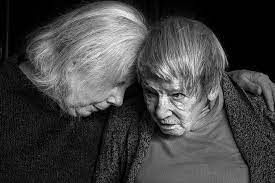

Late 20th century identified the awaking of gaze theory with a large part inspired through Laura Mulvey’s essay, “Visual Pleasure and Narrative Cinema” A lot of that was inspired through the notion of the patriarchal structure of an active masculine gaze that extended beyond present feminist critiques. This collage is a reflection of my final paper exploring the notions of how the gaze also creates a reflexive effect on the human condition. As the eye normally moves from left to right habitually. First taking in notions from a variety of screen shots from films like Hitchcock’s Vertigo where there is a clearly identified desire in the look – a heterosexual masculine look – on the space that pulls the viewer’s experience in pushes a political structural relationship between the subject (spectator) and the object (scene within the image). Through the appearance and reception of this visual pleasure – which sometimes isn’t identified by the exact look between the characters but the space and tension between the them in the scenes depicted in the collage is where it lays allows for the gaze to be simultaneously political as it is masculine. This same notion is then brought forth into the visual gallery I have provided below which are not directly derived or relation to cinema but into a broader perspective in another field of artistic appreciation – photography. I hope you all too can experience the exploration of understanding reflexively your relationship with these images that push you to simultaneously identify your own human condition the way I want to explore my final paper in cinema with my theorists. I look forward to your impressions.
Here is an example for you to now apply this notion back into cinema, while doing this take into consideration how you as yourself the spectator engages in the creation of the politics of the gaze and how this masculine hierarchy is applied

留言